



 Italiano
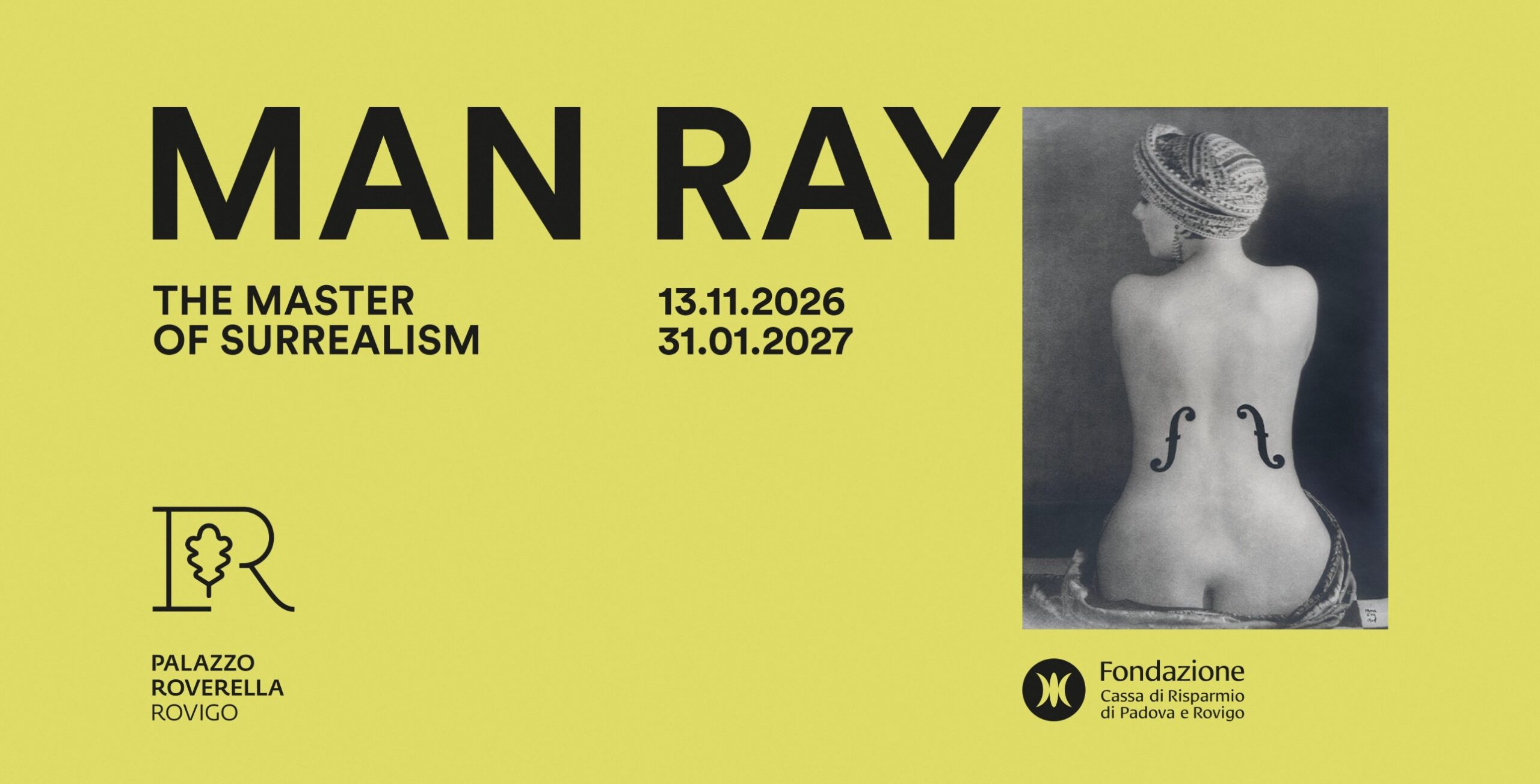
Man Ray. The Master of Surrealism

When
13 November 2026
31 January 2027

Contact center
0425 460093
info@palazzoroverella.com
The artist who refused to choose
Born Emmanuel Radnitzky in Philadelphia in 1890 and raised in Brooklyn, Man Ray was drawn to the New York avant-garde at a very young age. The turning point was meeting Marcel Duchamp, with whom he formed a long artistic and personal partnership. In 1921 he left New York for Paris, then the nerve centre of European experimentation.
Painter, photographer, designer, filmmaker and maker of objects, Man Ray found in Dada and Surrealism the ideal space to move across techniques and languages without being confined by definitions.
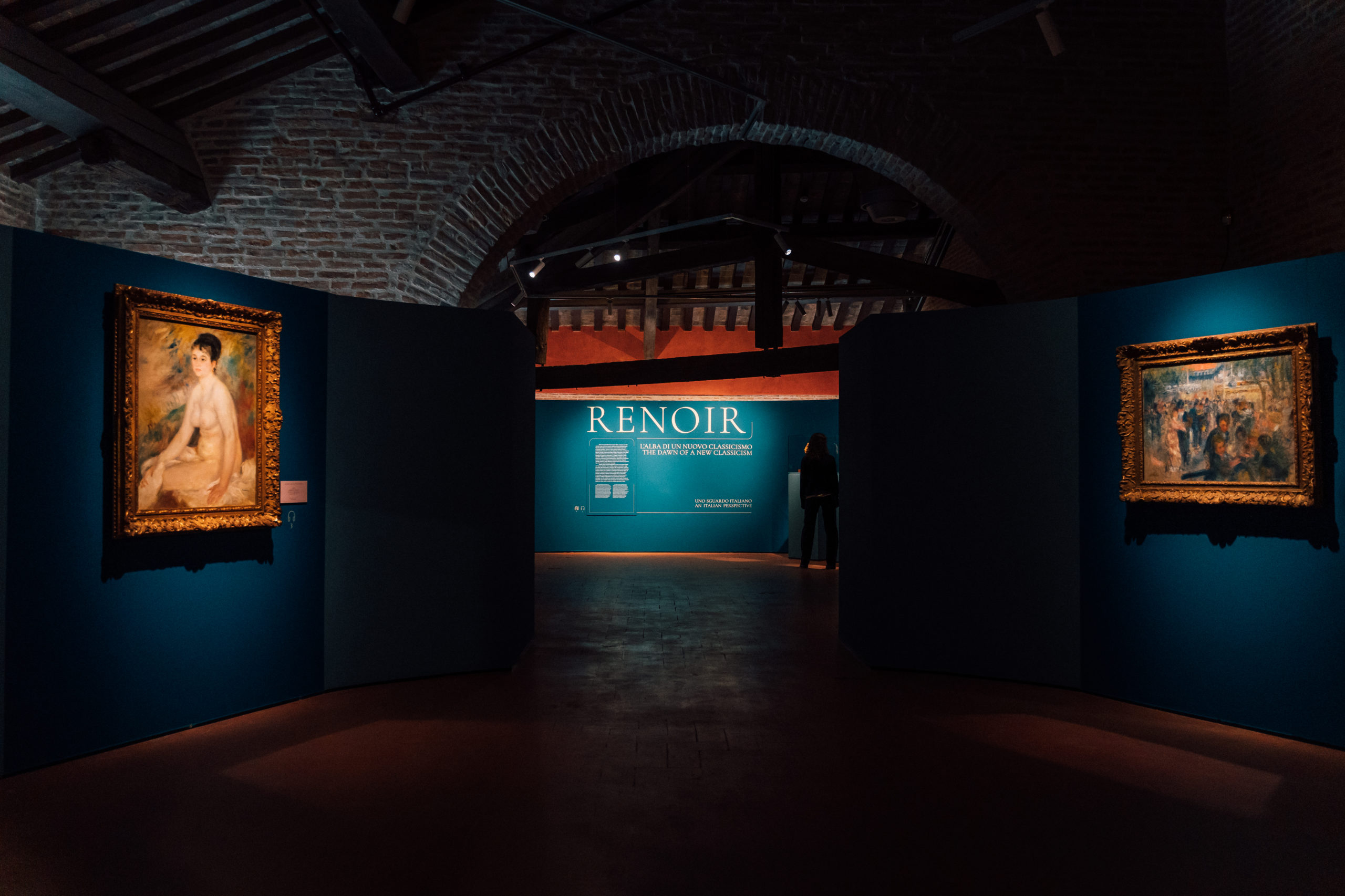
The exhibition Palazzo Roverella devotes to Man Ray brings together around 300 works including photographs, drawings, lithographs, objects and historical documents: a journey to discover a free and ironic artist who spent his whole life exploring techniques and languages, with freedom at the heart of his work.
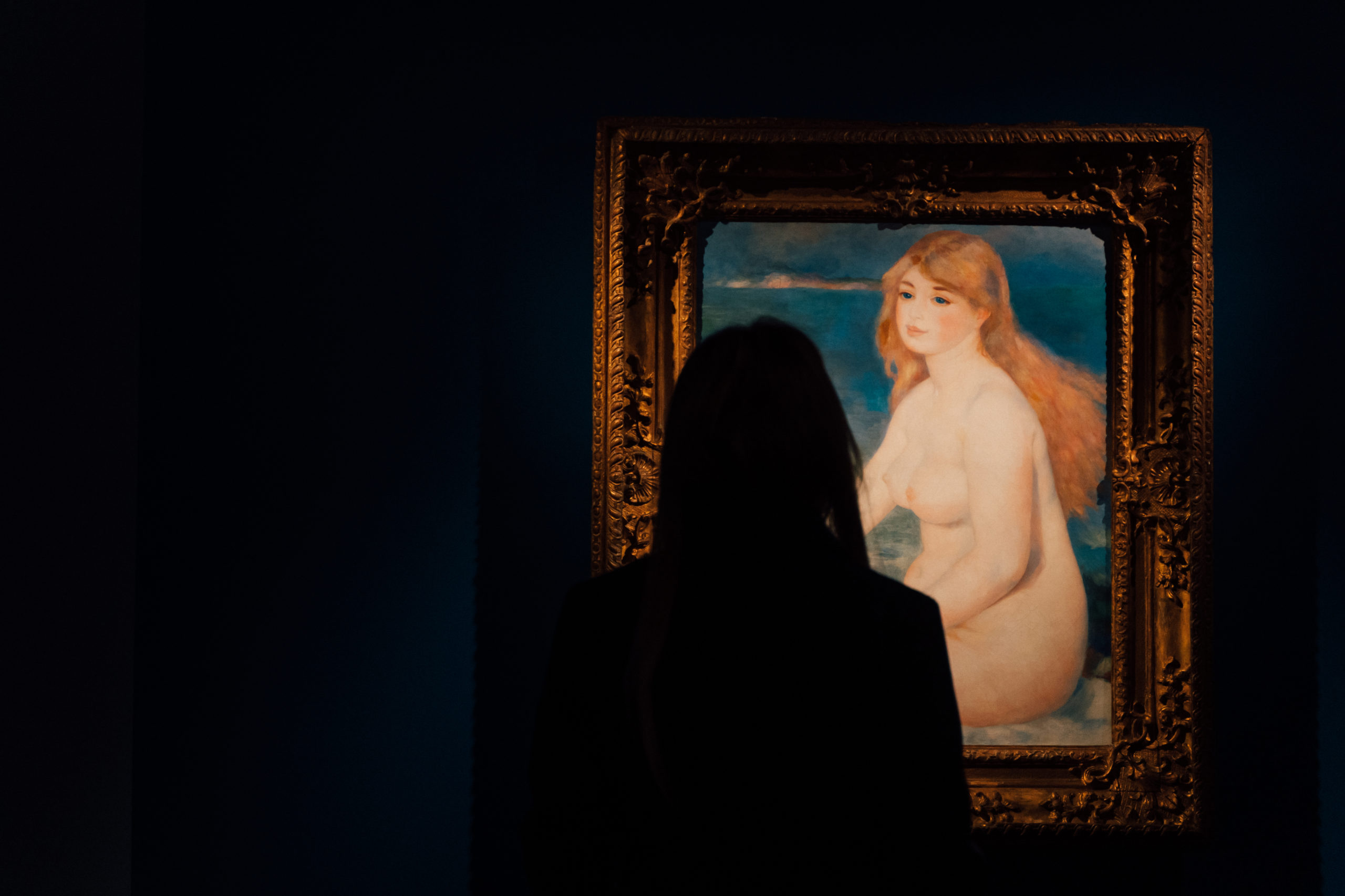
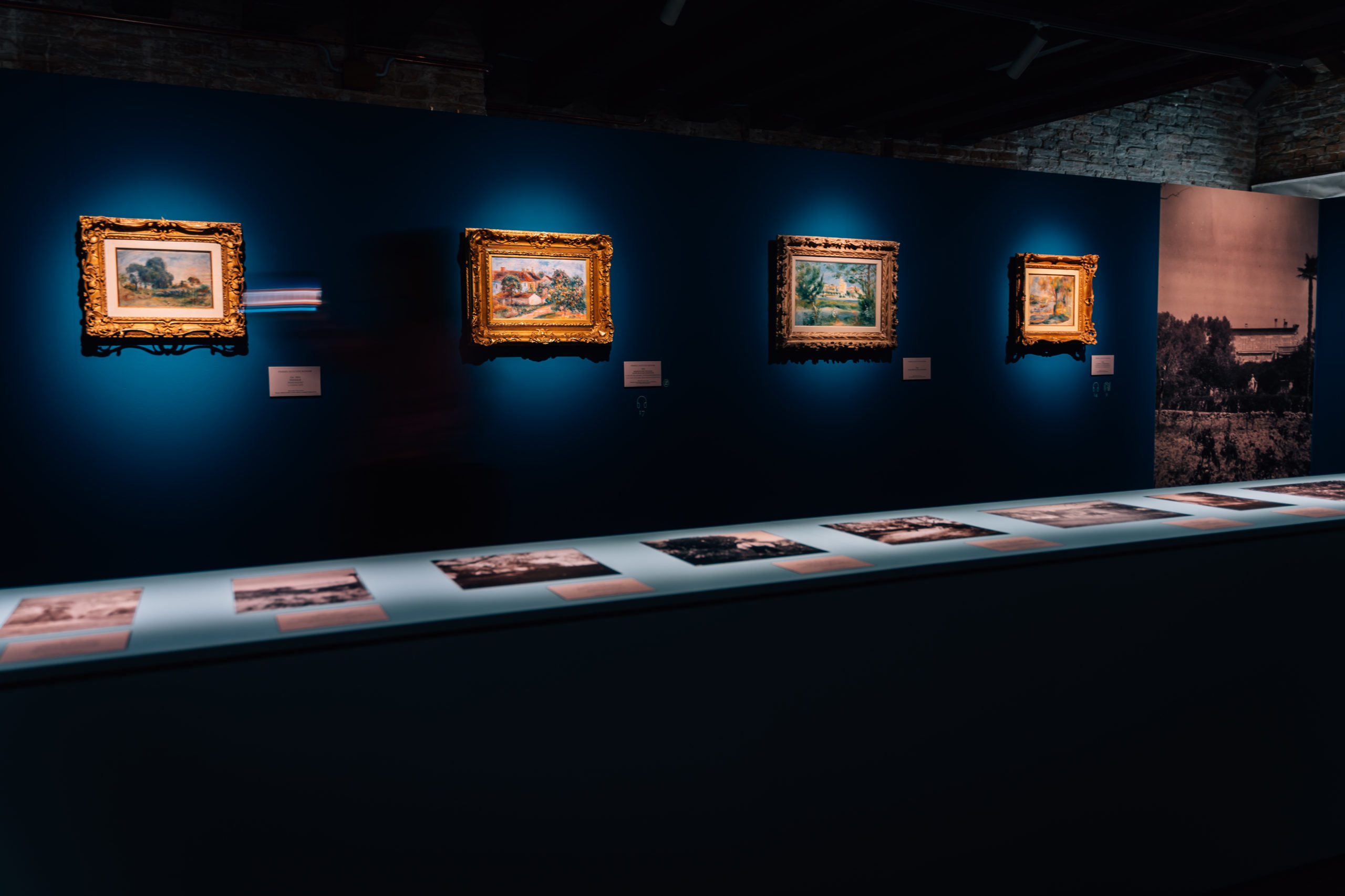
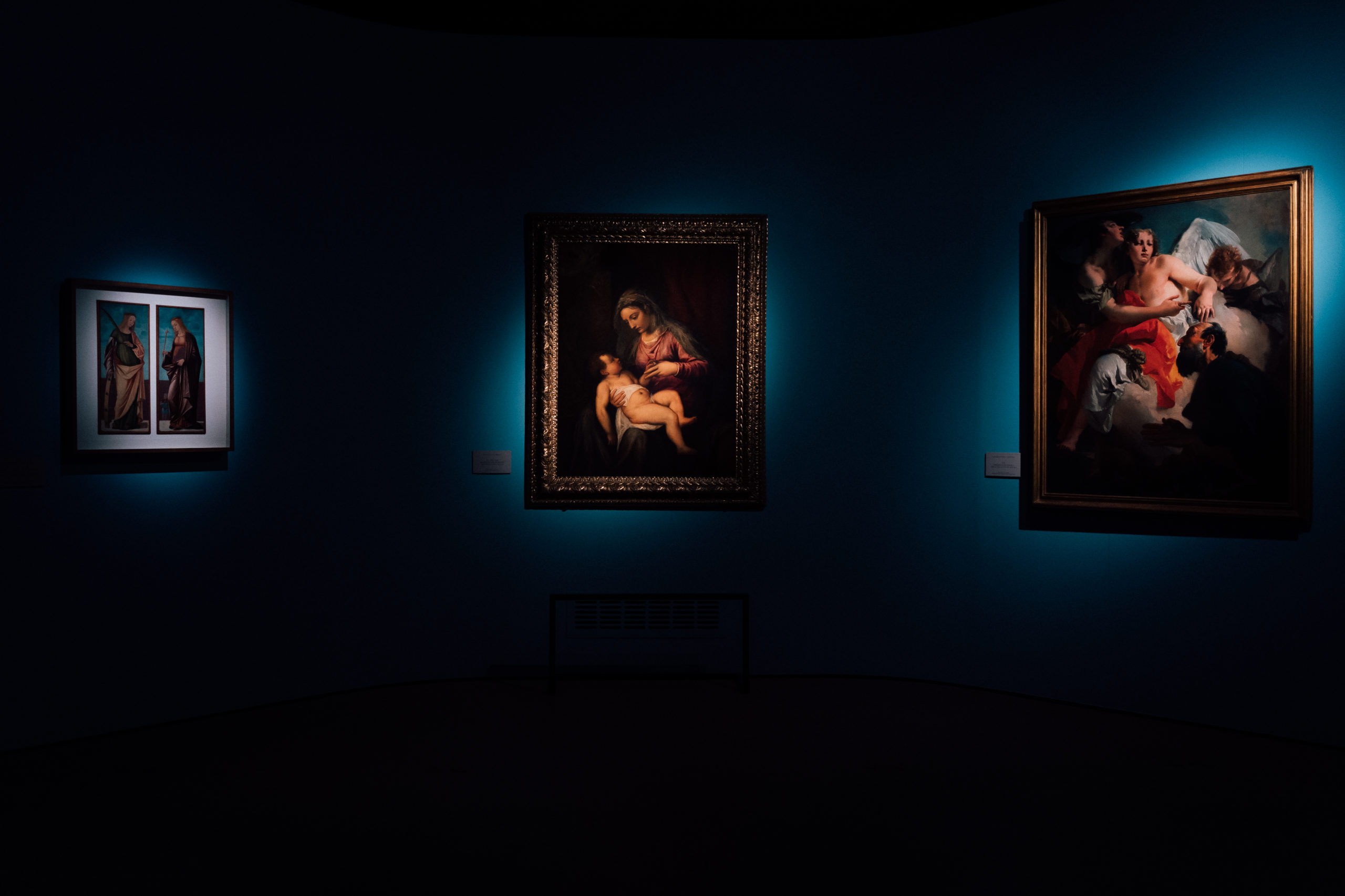
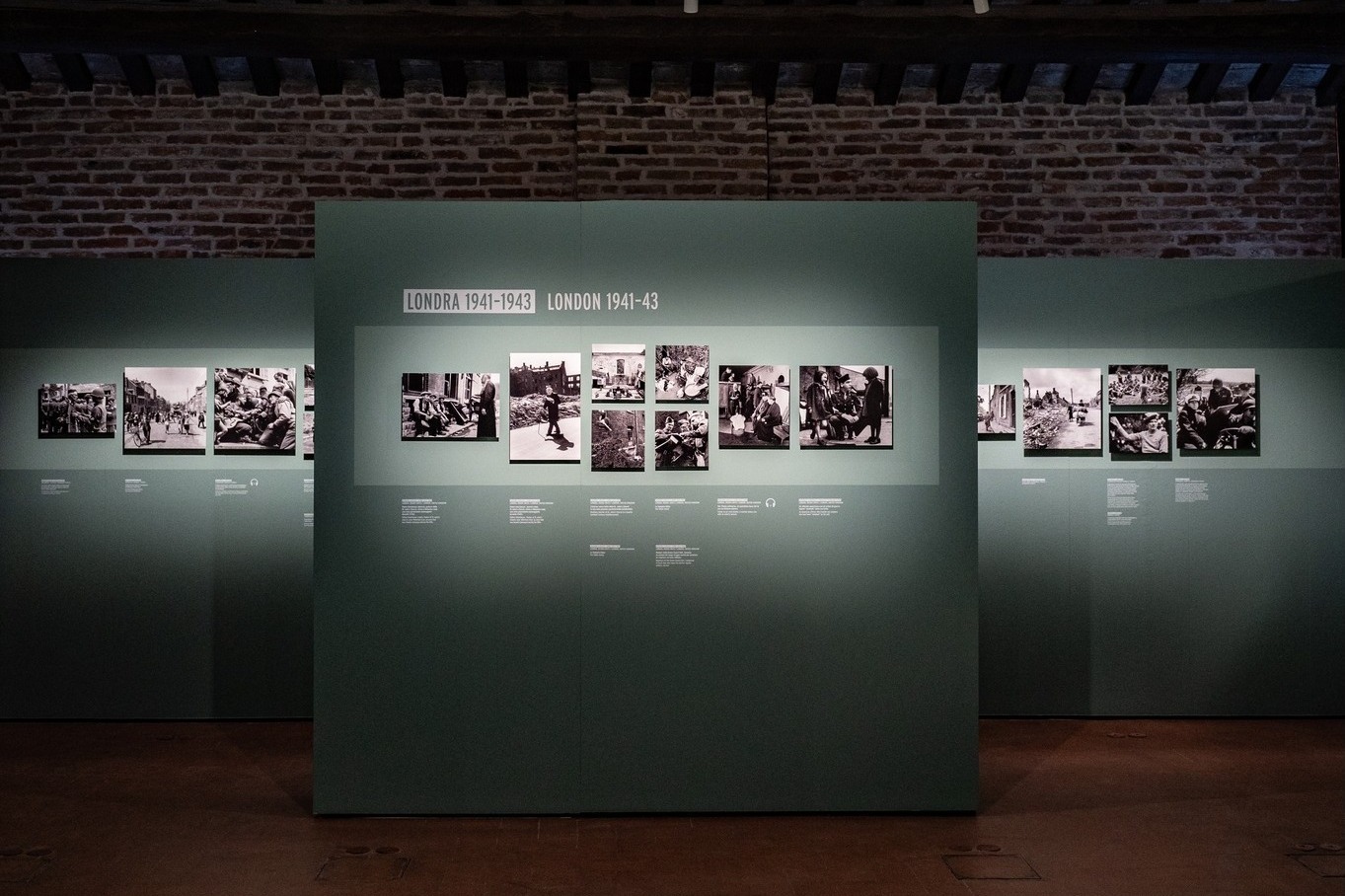




«Yes, everything is a game. But what is the motive? What am I looking for? Above all, freedom.»
Man Ray
A universe in constant transformation
For Man Ray, reality is not something to reproduce faithfully, but a starting point to transform. A face can become a mask, a body a musical instrument, an everyday object something enigmatic and unexpected.
Photography is only one of the territories he explored: Man Ray experimented with painting, cinema, fashion, objects and light itself, moving from one technique to another with complete freedom. Even when he uses a camera, his aim is not to document the world but to reinvent it.
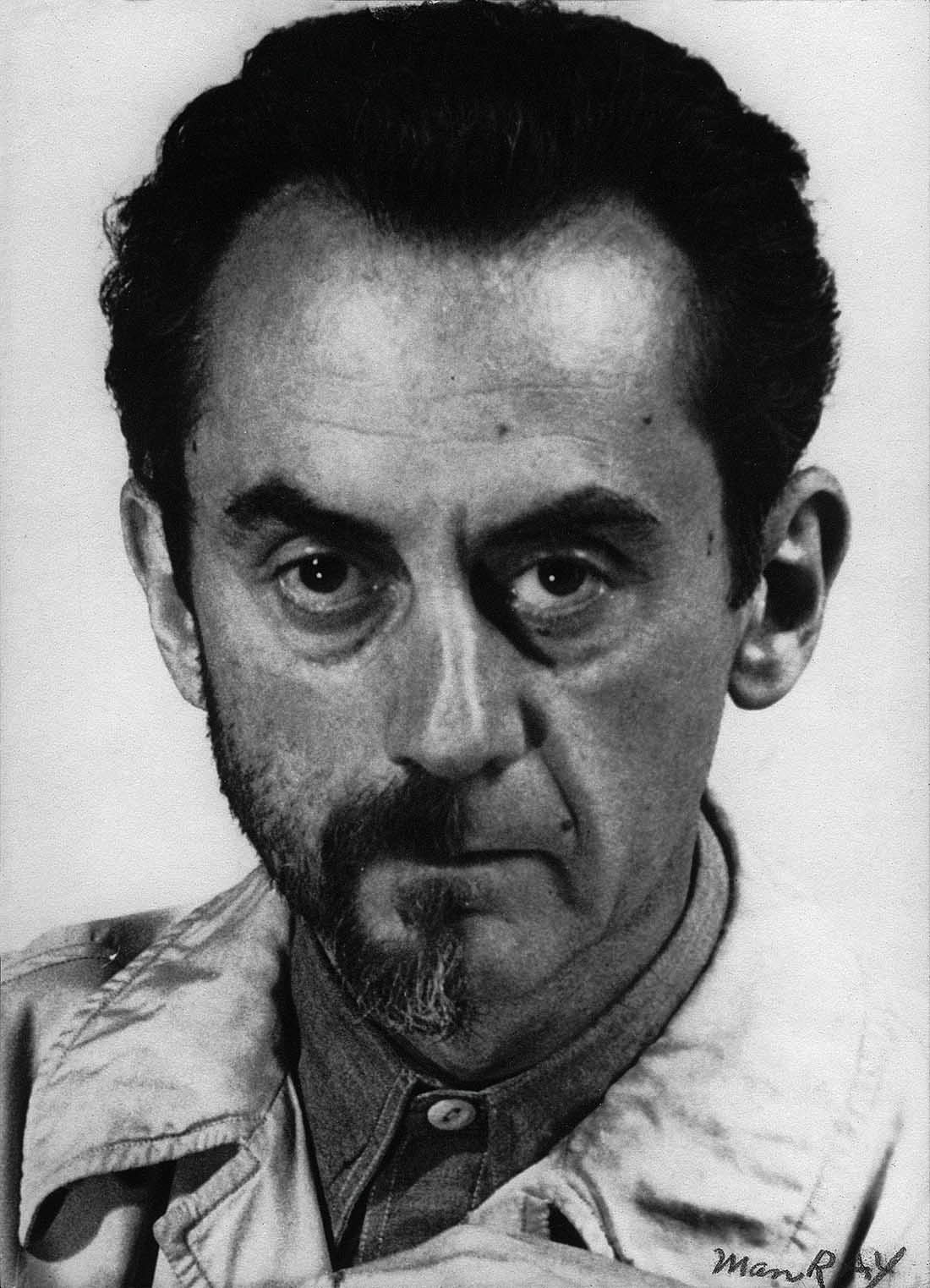
The self-portrait is also a way to invent oneself, change roles and question the very idea of identity. As early as 1916 Man Ray made a self-portrait in the form of an assemblage, considered one of the first Dada objects. In the years that followed he photographed himself in a dressing gown, in wigs, dressed as a priest or as Walt Whitman. Sometimes he presents himself with irony; at other times he alters his own image until it is almost unrecognisable.
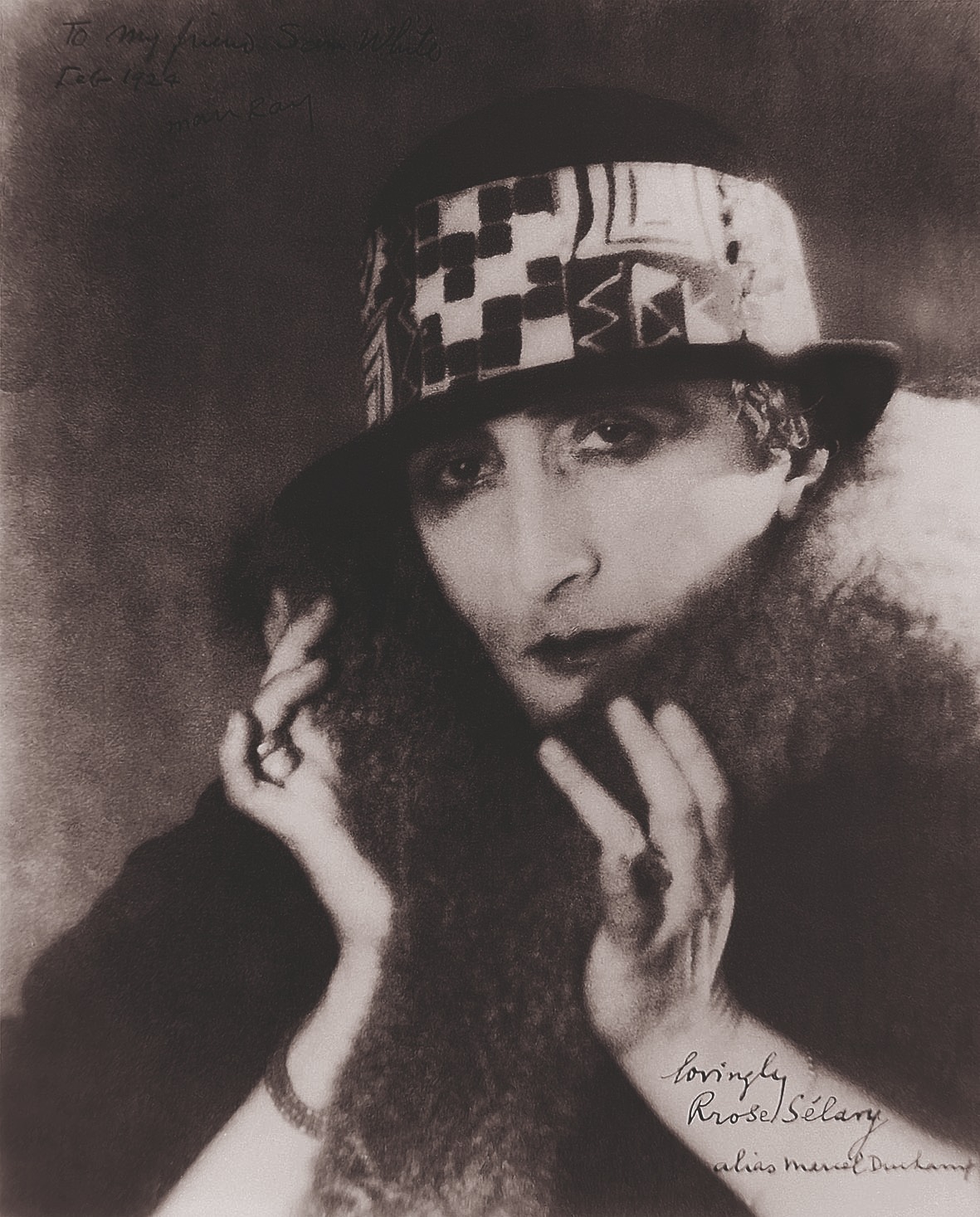
In Paris, Man Ray began photographing his fellow artists: what started as an occasional activity soon became a gateway to the heart of European culture. His meeting with Jean Cocteau in particular opened up a wide network of relationships, and figures such as Marcel Duchamp, Pablo Picasso, Georges Braque, Henri Matisse, Constantin Brancusi, Joan Miró, Salvador Dalí, Max Ernst, André Breton and Paul Éluard came before his lens. The result is a great collective portrait of the twentieth century.
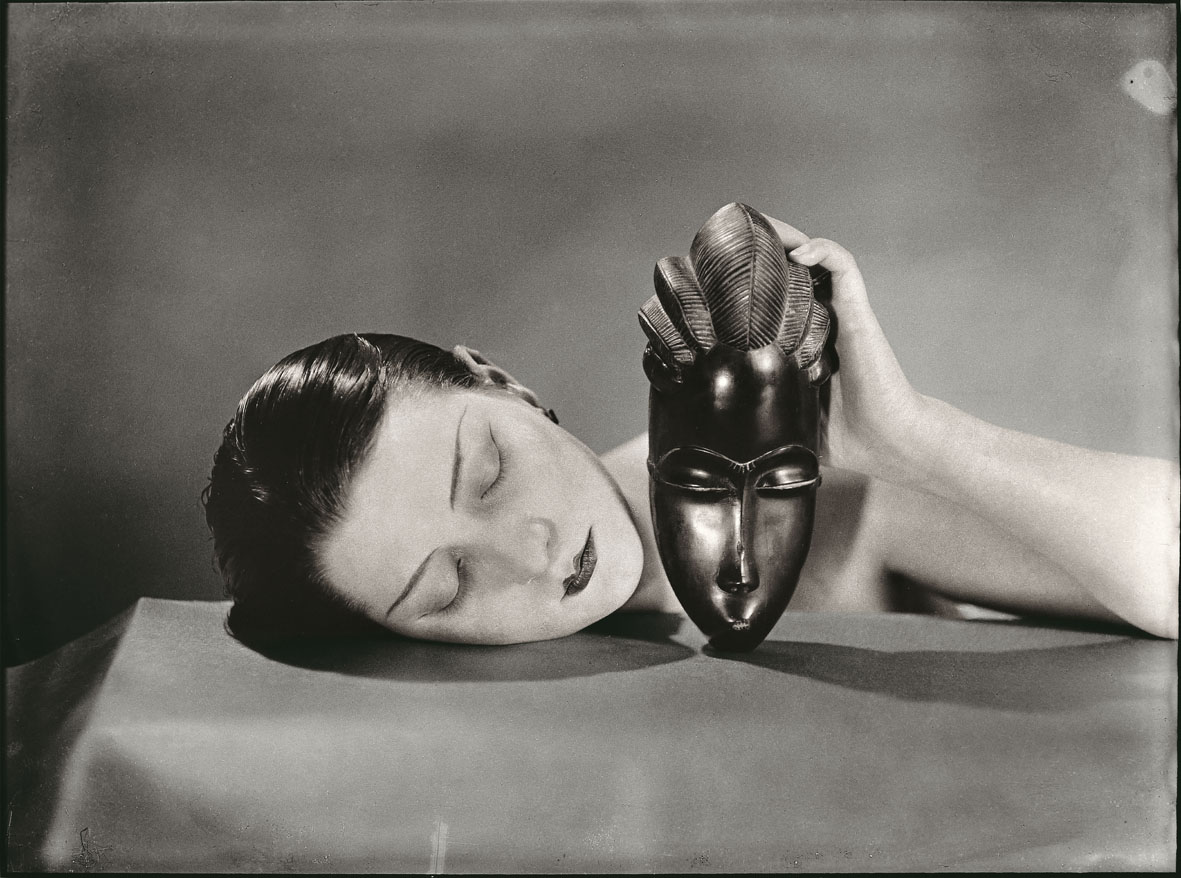
Many women entered Man Ray’s orbit not merely as models but as artists, collaborators and partners with whom he shared ideas and experiments. From the unforgettable Kiki de Montparnasse, the subject of Le Violon d’Ingres, to the talented Lee Miller, the photographer with whom Man Ray experimented with solarisation. And also Meret Oppenheim, Nusch Éluard, Ady Fidelin and Juliet Browner: through their faces and bodies emerges the fabric of life that animated avant-garde Paris.
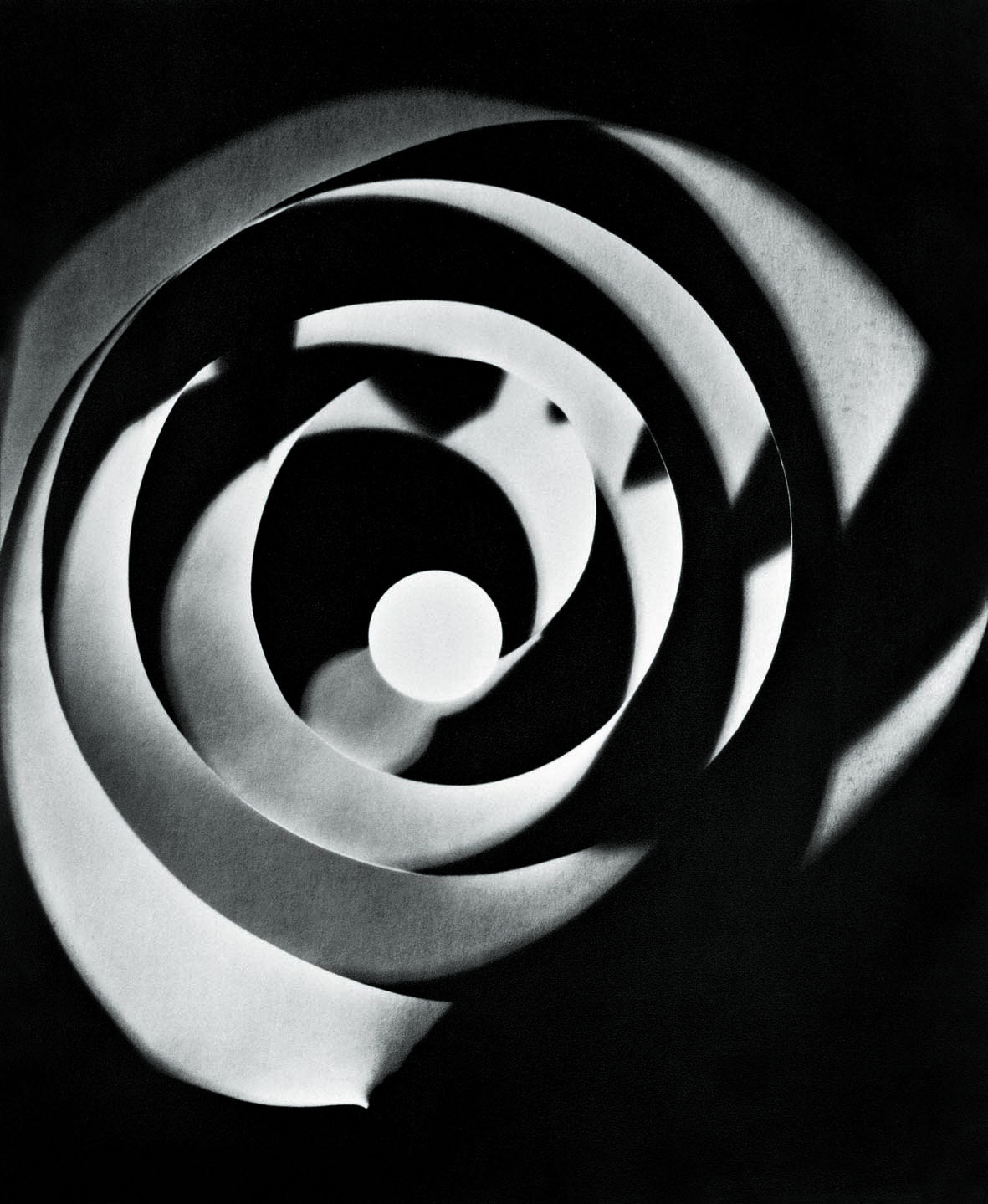
Photographing without a camera? For Man Ray it was possible: rayographs are images made by placing objects on photosensitive paper and then exposing them to light. The technique allowed the artist to imprint the outlines of ordinary objects such as keys, matches or pencils, cutting them off from their everyday function. Reality becomes an enigma, fading into the world of dreams.
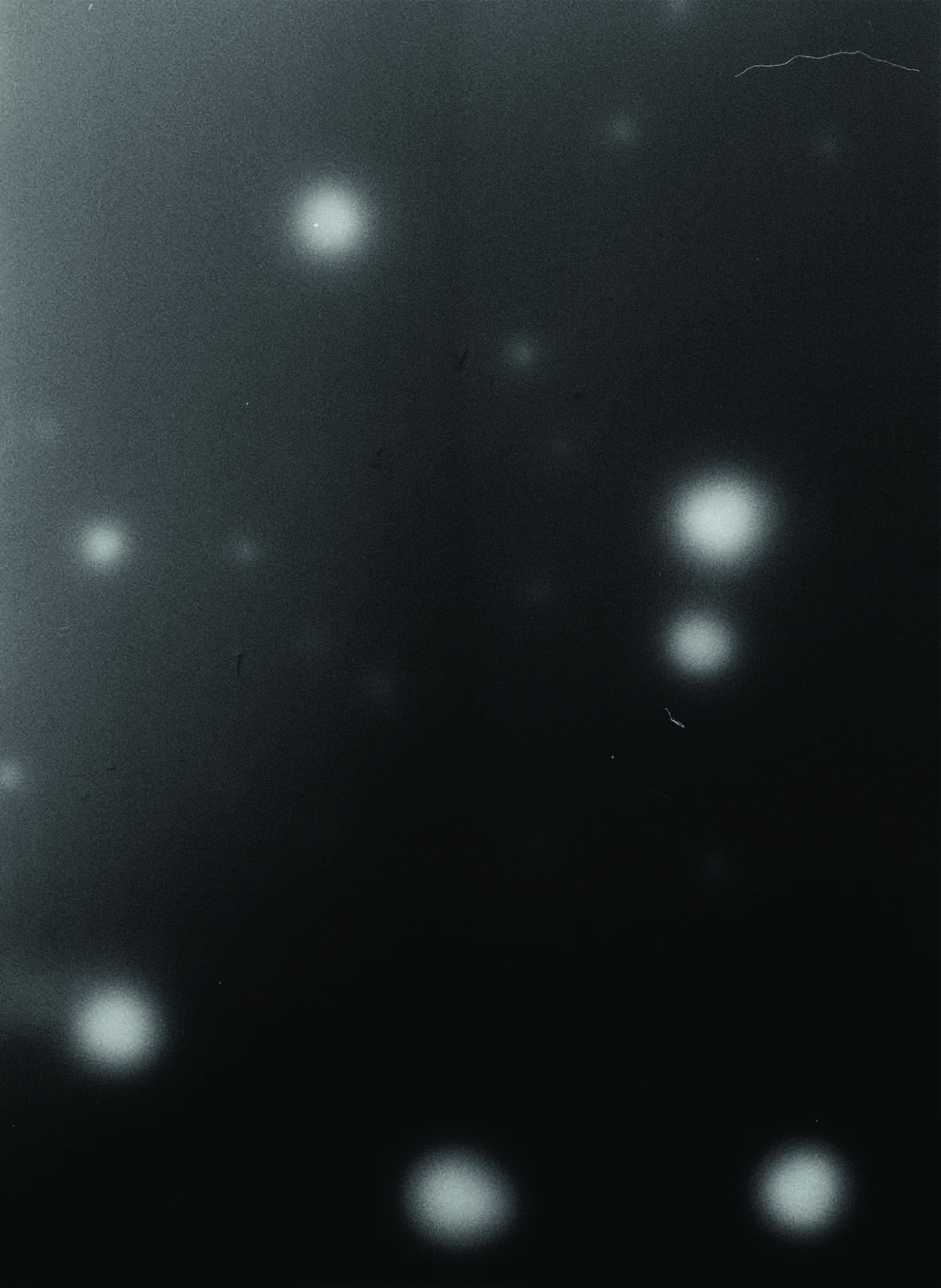
Brief and concentrated mainly between 1923 and 1929, Man Ray’s film career left a deep mark on avant-garde cinema. From the technical experimentation of Le Retour à la raison to the cinépoèmes Emak Bakia and L’Étoile de mer, the images in his films unfold like dreams: rhythmic, hypnotic flows of shapes, bodies, light and movement.
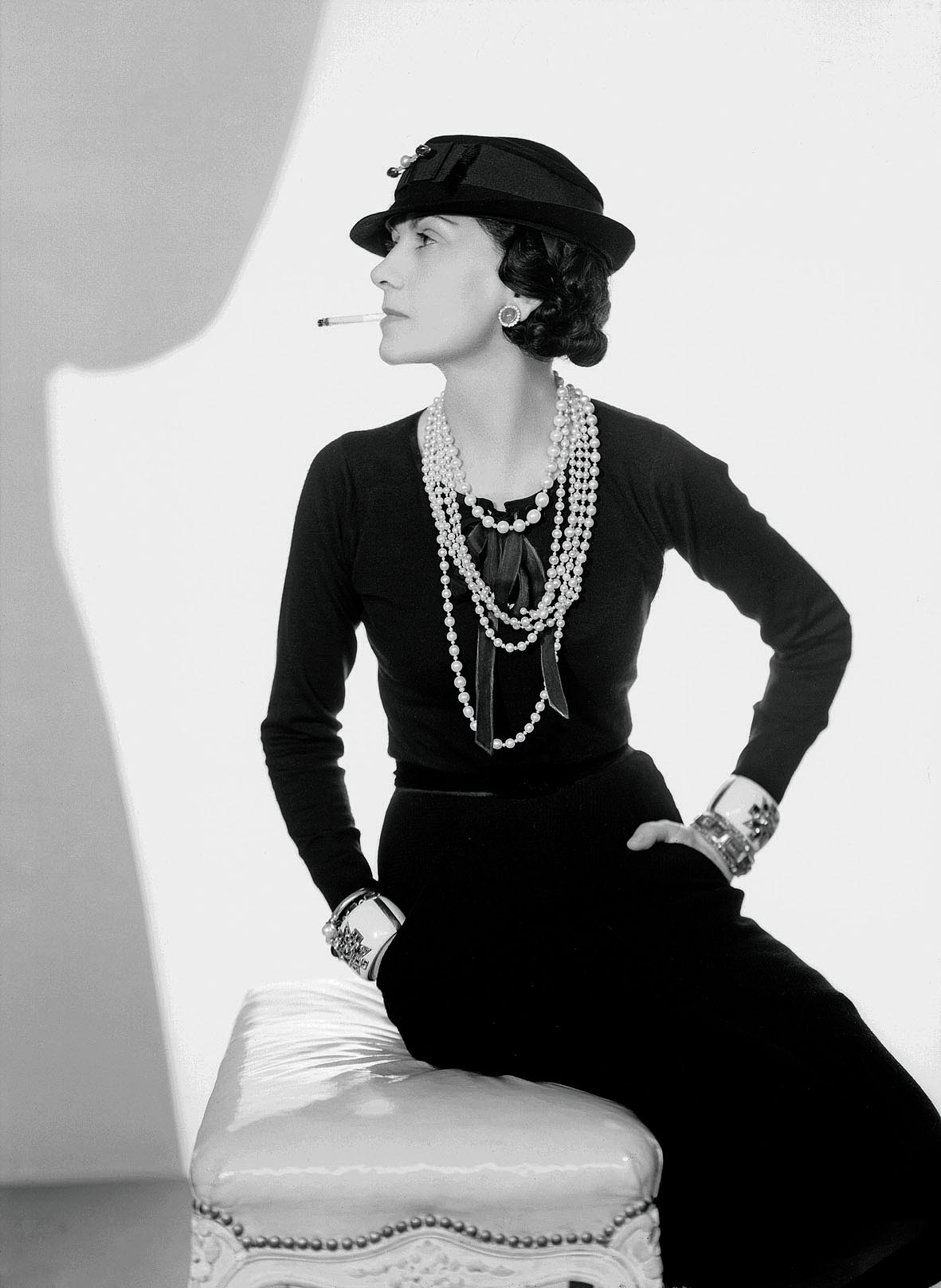
Man Ray’s career as a fashion photographer began thanks to the celebrated Paul Poiret: it opened up a new field of experimentation that led him to work with couturiers of the calibre of Madeleine Vionnet, Jeanne Lanvin, Coco Chanel and Elsa Schiaparelli, and to publish in magazines such as Vogue and Harper’s Bazaar. In his photographs, poses, lighting, framing and unexpected juxtapositions build an imagery that still influences fashion photography today.
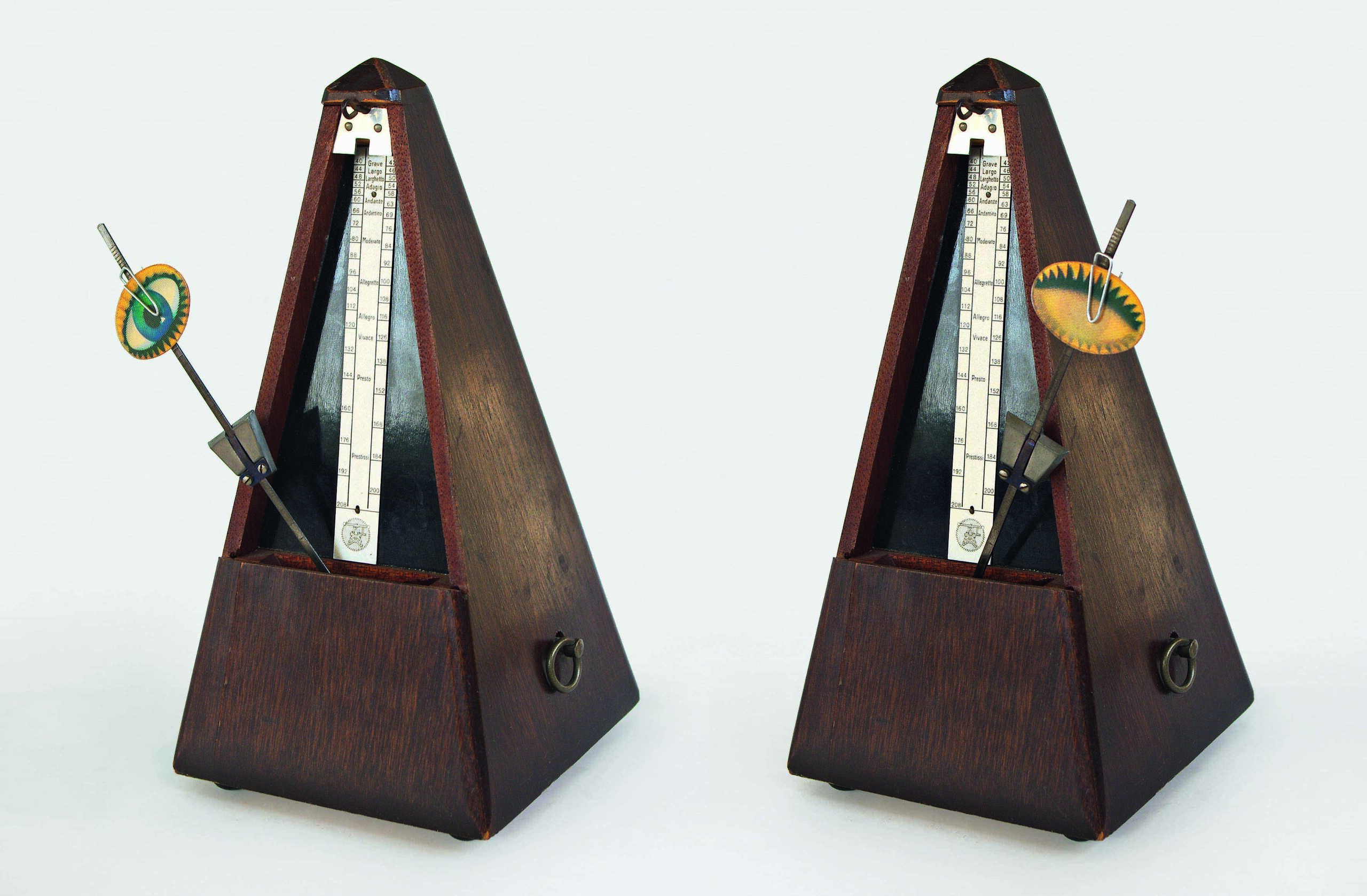
The multiples tell the story of Man Ray’s relationship with the idea of originality in art. Fascinated by the concept of the replica, Man Ray paired everyday objects with incongruous elements, completing them with ironic titles or wordplay. Such is the case of Cadeau, the flat iron made useless by a row of nails, stolen and recreated an incredible number of times, or of the eyed metronome known as “Object to Be Destroyed”, which was in fact destroyed and then became an “indestructible” object, precisely because it could be replicated.
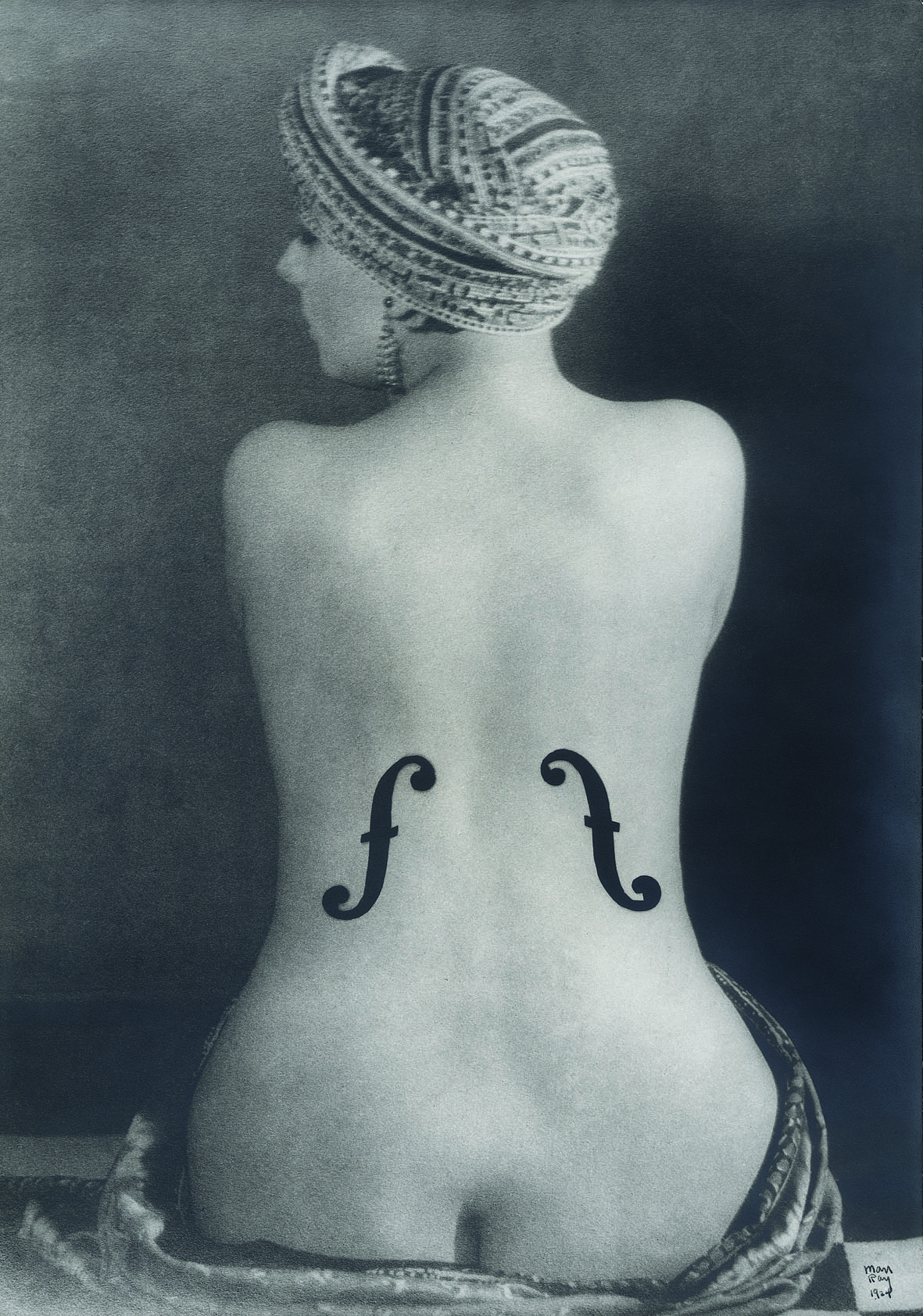
Images of the female body run through all of Man Ray’s work. Nudes that seem to arise from the meeting of light and shadow, provocative gestures, surprising details: the body is not simply recorded by the lens but transformed into surface, form, symbol and metaphor.
Exhibition promoted by
In collaboration with
Main sponsor

Exhibition produced by
