



 Italiano
ARCHIVIO
The Pinacoteca
The great masters of Italian painting

November 13, 2026
January 31, 2027
Free Entry
A fascinating journey through four centuries of masterpieces

Opening times
Monday through Friday 9.00am – 7.00pm
Saturday, Sunday, Holidays 9.00am – 8.00pm
The Pinacoteca is open to the public during the periods when temporary exhibitions are on display.

Contact center
0425 460093
info@palazzoroverella.com
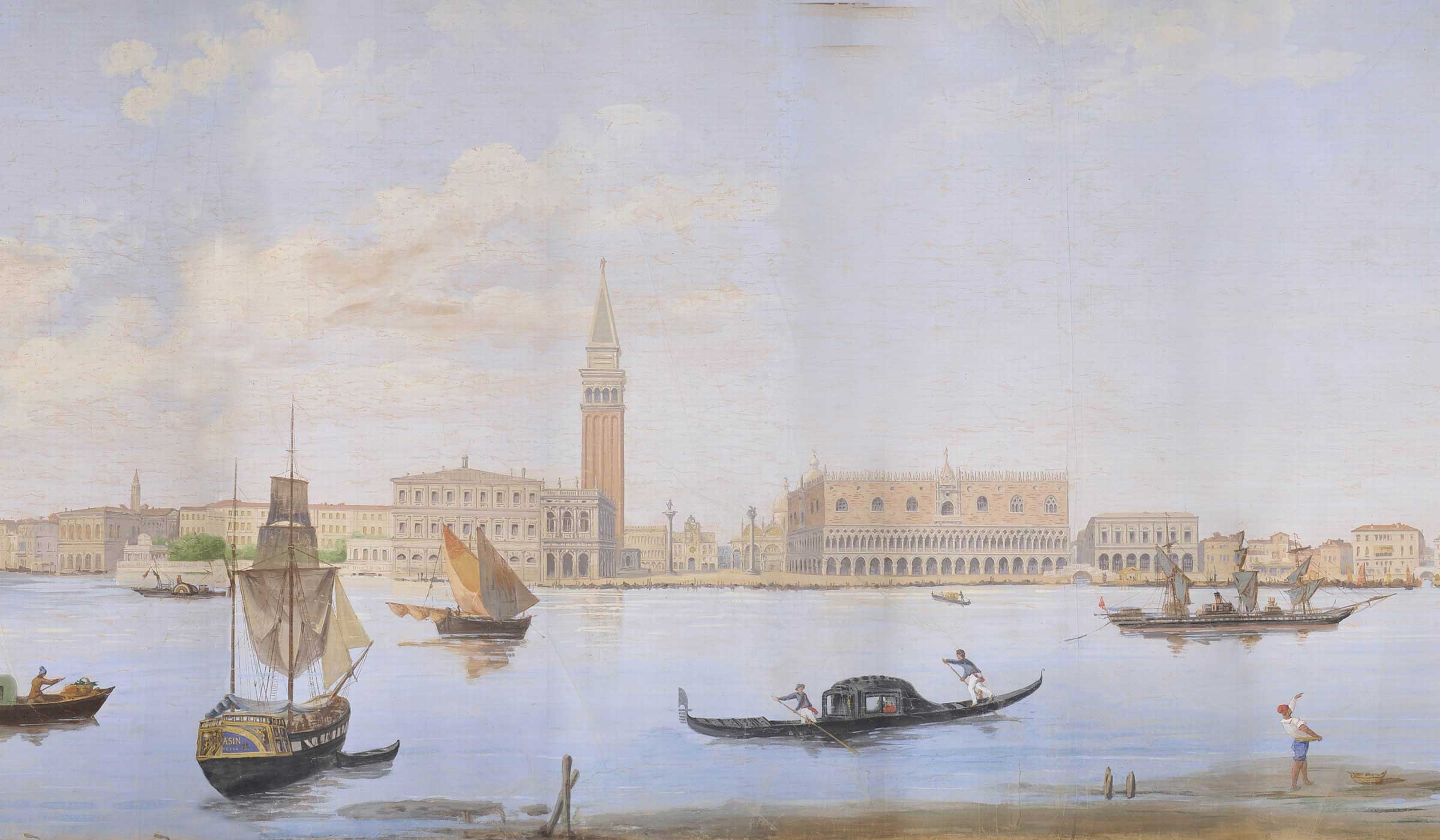
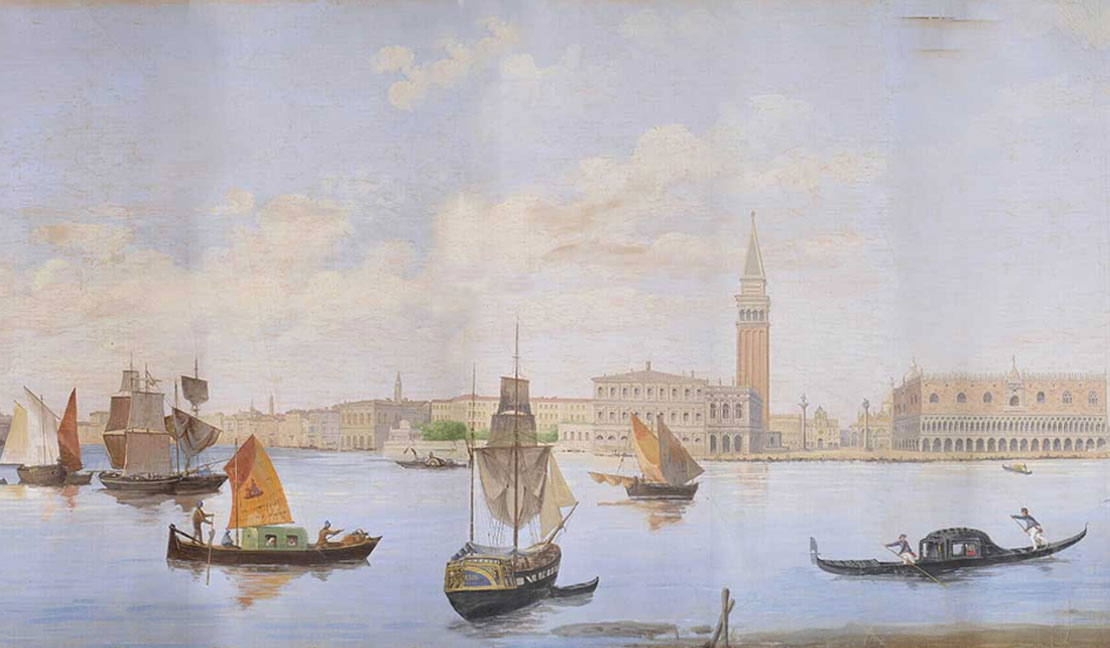
The Pinacoteca of the Accademia dei Concordi and of the Seminario Vescovile of Rovigo. A spectacular 22-metre-long 19th-century diorama. All in a single, prestigious collection.
Let yourself be accompanied on the discovery of an extraordinary journey through the masterpieces of four centuries, in the most prestigious collection in the city. A fascinating visit full of suggestions that will lead you to discover some of the moments in which Italian art has reached its maximum beauty.




A prestigious collection, created by the passion of some noble Rovigo families
Seven centuries of beauty
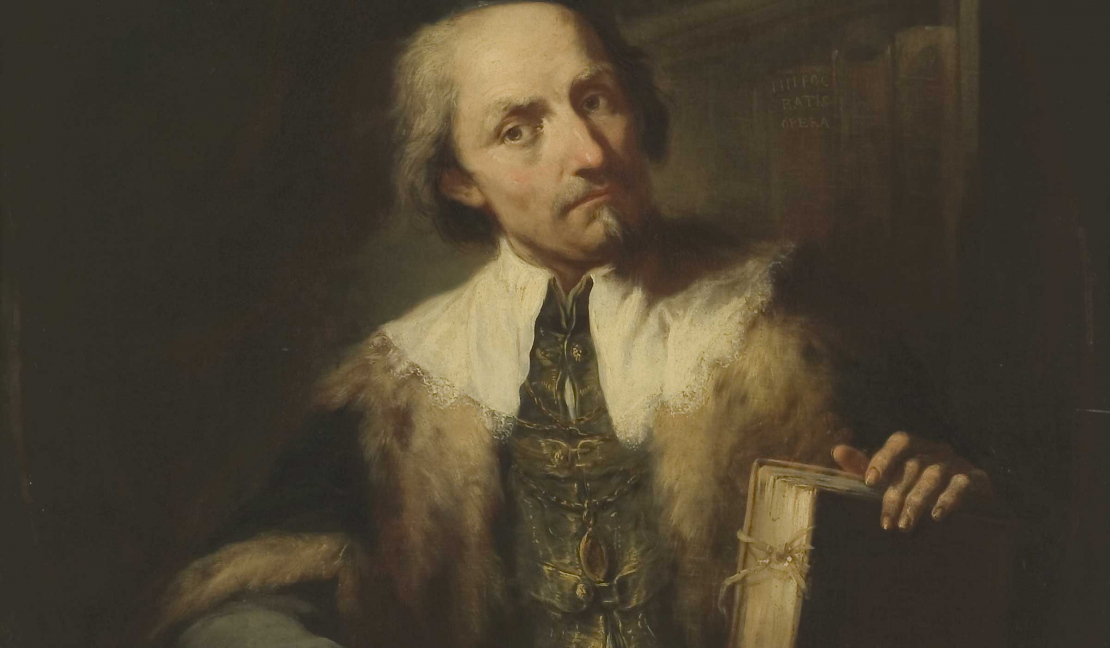
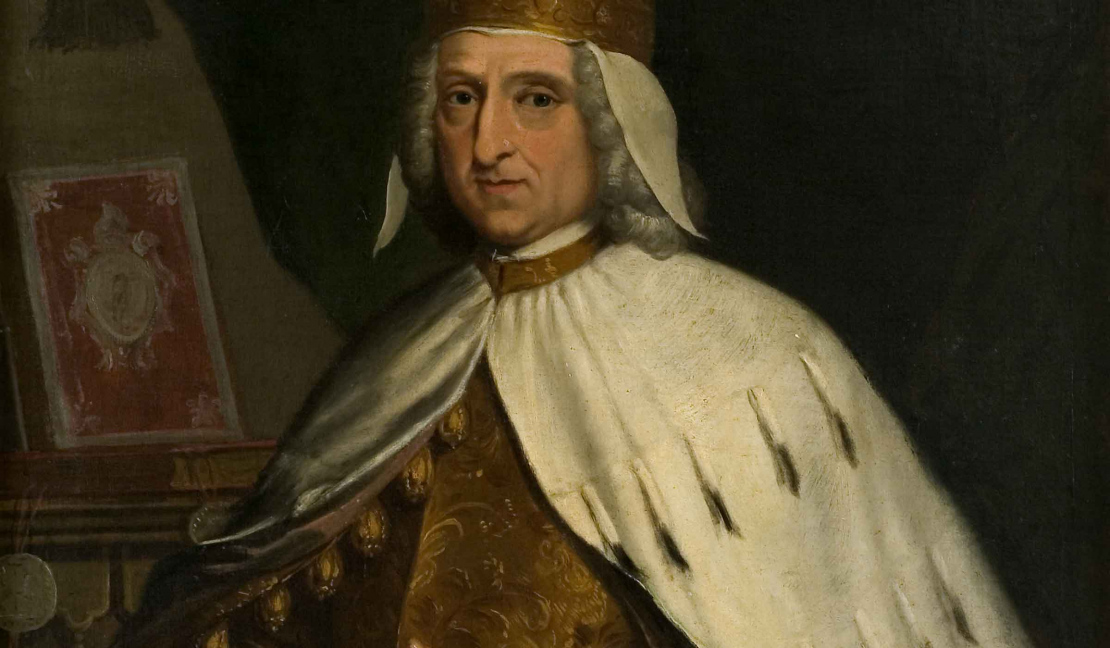
From the Gothic style to Giovanni Bellini, from sixteenth-century Venetian art to the theatricality of the seventeenth century, to the most important Venetian painters of the eighteenth century. The halls of Palazzo Roverella host a collection of paintings offering an almost textbook overview of art history. An extraordinary journey through seven centuries of masterpieces in the city’s most prestigious collection. All this is thanks to the passion for painting of several noble families from Rovigo, who, with their donations, allow us to admire a unique collection that includes masterpieces by the greatest masters of Italian painting, such as Giovanni Bellini, Palma Vecchio, Luca Giordano, Giambattista Piazzetta, and Giambattista Tiepolo, as well as works from the first two decades of the twentieth century by the great artist of Rovigo-born Mario Cavaglieri, who introduce us to a sophisticated, sensual, and decadent world reminiscent of D’Annunzio.



Giovanni Bellini, Cristo portacroce
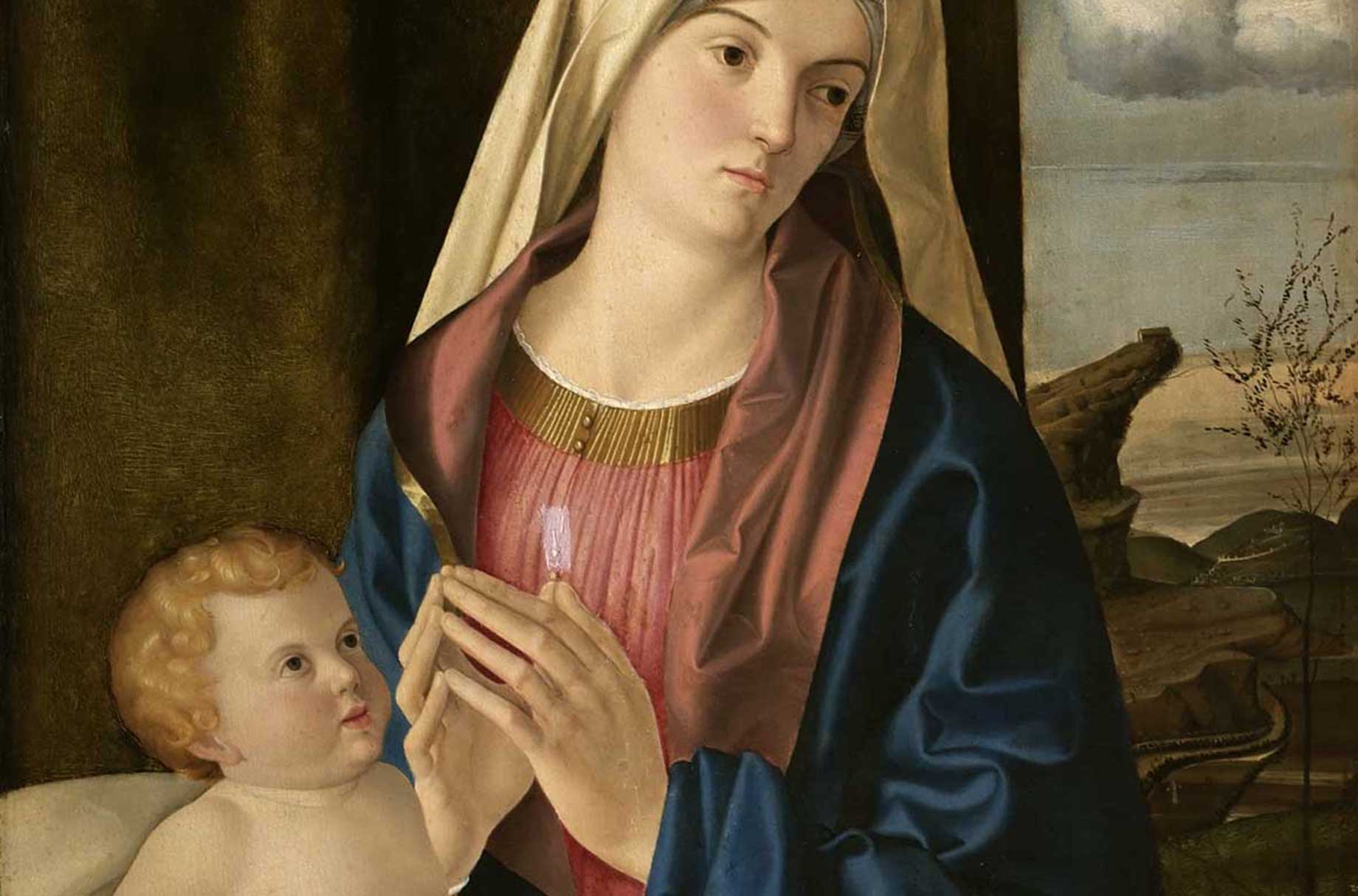
By Giovanni Bellini, the greatest Venetian master of the 15th century, you can admire here two panels with sacred subjects, one from his early period and the other from the artist’s late maturity.
The Madonna con il Bambino, in addition to displaying some Mantegna influences (Mantegna was Giovanni Bellini’s son-in-law), conceals a complex iconographic meaning that finds its symbolic centre in the marble parapet, a metaphorical equivalent of the sepulchral tomb (to which God’s beloved is already predestined).
Symbols of Passion and Redemption are often present in Bellini’s Madonnas, as in the Madonna con il Bambino by Pasqualino Veneto, where Mary holds a book in which her son’s destiny is already written.
Of a completely different inspiration is Cristo portacroce (also by Giovanni Bellini), sometimes thought to be by his pupil Giorgione, from whom the older master borrowed the chromatic and tonal fusion of the pictorial impasto, rendering Christ’s gaze and face dramatic and penetrating.
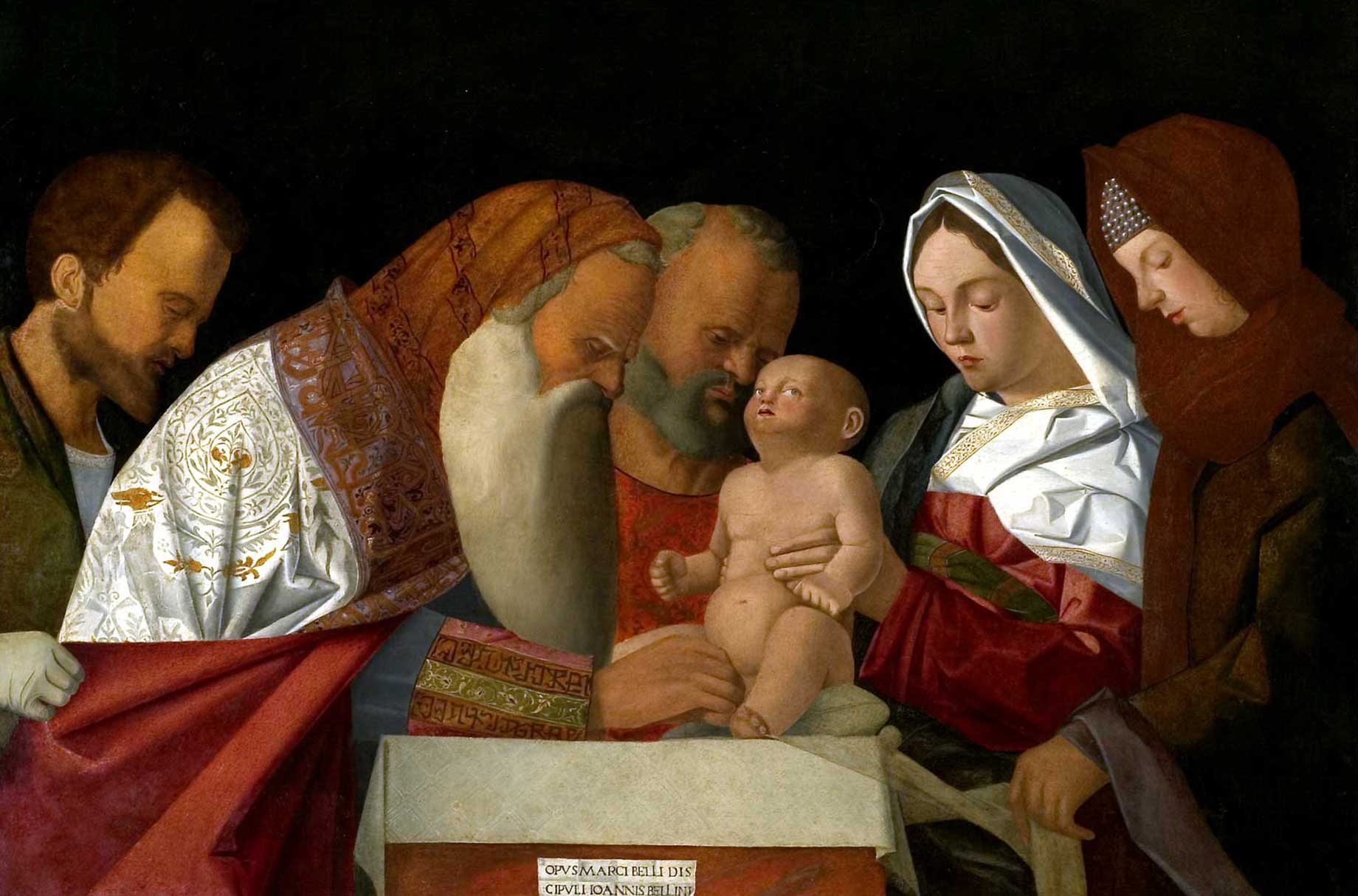
The Circoncisione by Marco Bello, who attests in his signature to being a “disciple of Giovanni Bellini”, demonstrates how Bellini’s model of half-length episodes such as the Circoncisione or the Presentazione al tempio were so successful that they were replicated by his pupils to satisfy private commissions.
The Madonna col Bambino, quattro santi e un donatore by Girolamo da Santacroce, a pupil of Bellini’s from Bergamo, reproduces, in a small format and with an almost miniaturist taste, the altarpiece painted by the master in 1507 for the Church of San Francesco della Vigna, almost paying a personal tribute to him.

Mario Cavaglieri, Il Palazzo della Mercanzia a Bologna
Mario Cavaglieri (Rovigo, 1887 – Pavie-sur-Gers, 1969) was born in Rovigo in the late 19th century to a wealthy family of Jewish origin. He studied in Padua under the painter Giovanni Vianello. After meeting his muse Giulietta Catellini, he achieved considerable success with his paintings between 1913 and 1925, fully capturing the tastes of the most refined and worldly audiences of the time. Cavaglieri depicts a sensual and decadent world of tastefully furnished bourgeois salons, often animated by elegant and captivating women, all rendered with a dense and vibrant palette.
After retiring to the beautiful villa of Peyloubére, in the Gers, Cavaglieri devoted himself to painting rural views and landscapes, immersed in a dimension of bucolic and tranquil life. His happy childhood, spent in the city of Rovigo, was never forgotten by the painter, so much so that even in the last years of his career he placed the label “Mario Cavaglieri da Rovigo” on the frames of his paintings.